

Philly Talks Trash October 2023

Dear Reader,
Welcome to the third Philly Talks Trash Quarterly Newsletter. We hope that you found our first two newsletters full of useful information concerning plastics and waste.
Prior to the publication of our quarterly newsletters we presented a series of virtual programs on waste reduction. You can view them on the Philadelphia Neighborhood Networks channel. Be sure to click the Philly Talks Trash Playlist.
Our March newsletter coincided with the Canadian wildfires, as does this one, since they are still burning. But so are many other horrific fires, and floods, too many to mention in this brief intro. We all know that the scientific consensus is that these are all made worse by global warming, which is caused by our reliance on, and overuse of, fossil fuels. According to the Rocky Mountain Institute about 12% of global oil production each year is used to create plastics. Their excellent graphic shows just how ridiculous it is that we are putting life on earth at risk in order to use convenient plastic packaging to briefly hold products.
It is clear that we need to drastically cut our dependence on single use plastics and Philadelphians can play an important role in achieving that end. Our newsletters highlight the politics of waste from the local to the international level, list meetings and events happening locally, and provide zero-waste resources and ideas to cut our individual waste footprints. We have a terrific article in this issue by Michelle White of Remark Glass and Bottle Underground on what happens to glass after you put it in your recycle bin. It offers some solutions to the glass recycling system which, aside from Remark, is currently a downcycling/waste system.
🖋️ From Our Guest Author:
Michelle White, Marketing Manager for Remark Glass
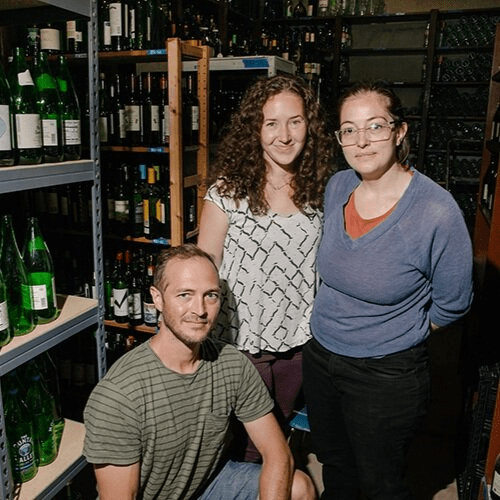
When individuals imagine recycling, the image that often comes to mind is a glass bottle. Simple, clean, continuously remeltable. However, we know that the reality is quite different.
It’s no secret at this point that the recycling system is broken. When Philadelphia residents recycle their glass through the city’s single-stream system, the glass is immediately crushed in the truck with the other collected materials, including plastics, metals, and food scraps. It then goes to a Materials Recycling Facility (MRF) to be sifted out from the other commingled materials. In theory, the small pieces of glass are ideal for recycling, as glass cullet is a preferable size for remelting. However, by the time it’s been separated, the glass is too contaminated to be usable and instead sent to the landfill as alternative daily cover. This is technically a use for the glass, as it keeps down odors and prevents litter from blowing in the wind. We believe that we can do better, though.
We founded Bottle Underground in 2020 with the aim of reimagining glass recycling. Bottle Underground is a 501(c)(3) community-based recycling program. We partner with workforce development programs to create sustainable job opportunities that support waste diversion in Philadelphia. By reusing, downcycling, and upcycling glass from our community, we turn an otherwise waste material into a valuable resource. Our team collects glass directly from community members and businesses, meticulously cleans and sorts each bottle, and separates it for its best end market. This process allows us to maintain very low contamination levels and ensure that each glass is being repurposed in the most valuable way possible. Reusable jars become candle containers for local makers. Beer bottles are crushed into sand for soil in greenwater infrastructure. The most special bottles are reheated and reshaped into glassware through Remark Glass. Across all of these methods, we currently recycle an average of 10,000 lbs of glass each month but know this is only the beginning. Compared to the amount of glass that Philadelphia residents go through each year (60-90,000 tons), we recognize that we’re still a drop in the bucket.
The original intent of the single-stream recycling system was positive – to incentivize residents to recycle. Unfortunately, we’ve learned that the very system intended to expand recycling has become its own downfall. As we think of our vision for the future, we look to the places around the world with the most successful recycling programs – countries like Sweden, Belgium, and Slovenia with the highest glass recycling rates at over 95%. Each of these countries separately collect glass.
We’ve proven locally through our own pilots that when we properly collect and process the bottles, we’re able to ensure high quality recycling and meet end markets. Although we don’t believe that we can nor should overhaul our entire waste system overnight, by slowly building our program with larger infrastructure and investment, we can make a change in our city.
We know it’s possible. And it’s probably not that different from that idea of recycling in your head.
If you’re interested in getting involved, you can find more information about volunteering, dropping off glass, or becoming a member in our collections program on our website. Please feel free to reach out to bottleunderground[at]gmail.com for any questions!
“Bottle Underground is a community-based glass recycling program dedicated to reducing glass waste and supporting individuals to reclaim their livelihoods.” – Bottle Underground
“Remark Glass is zero-waste certified, woman owned business focused on innovative and creative glass reuse.” – Remark Glass
🗳️ Politics and Legislation
Signs of Progress in Eliminating Single-use Plastics
- On September 18th, Massachusetts became the first state to ban the purchase of single-use plastic bottles by state agencies.
- According to the National Conference of State Legislatures, eight states currently ban the use of single-use plastic bags: California, Connecticut, Delaware, Hawaii, New York, Maine, Oregon and Vermont.
The Fight Against Waste and LNG in Our Backyard
The Covanta incinerator plant in Chester, which burns a significant amount of Philadelphia’s trash, has generated protests from local residents since it opened in 1992. It has consistently been one of the top polluters in the region, and is a major source of PM 2.5 – particles less than 2.5 micrometers in size and small enough to enter deep into human lungs.
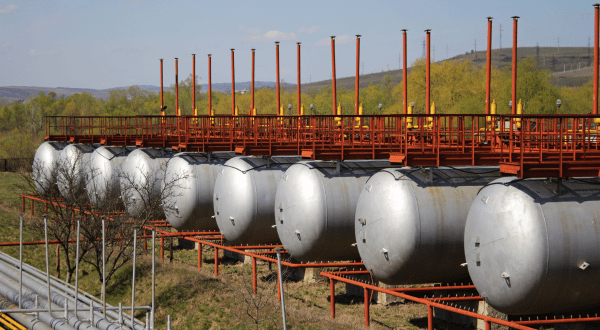
Chester is now fighting a new potential source of pollution and disruption, a plant to convert methane gas to liquified natural gas (LNG) for export. The plan was hatched by the PA State Legislature which created a ‘Philadelphia LNG Task Force’ in 2022. The Task Force was supposed to examine making the ‘Port of Philadelphia an LNG export terminal’, but when that quickly proved to be a non-starter, turned its attention to Chester. It is required to conduct three hearings, the first two of which were orchestrated to include only speakers in favor.
Joe Hohenstein, a Task Force member and State Representative for the 177th district, which includes many of the river wards, intervened so that the third meeting was held in Chester, and included people who would speak to both sides. This standing room only hearing, held on August 22nd, included two ‘pro’ speakers – a consultant who talked about the jobs that would be required to build and operate an LNG plant, and former Chair of the Federal Energy Regulatory Commission (FERC), Neil Chatterjee. To the amazement of many present, Chatterjee spoke at length about how FERC, which has approved 99% of all fossil fuel applications over the past 20+ years, strives to make ‘community interest’ a priority in its decision making. The amazement was cleared up by WHYY reporting that Chatterjee currently serves on the advisory board of Penn America Energy which is behind a proposal to bring the LNG export terminal to Chester.
Two community representatives spoke in opposition including Stefan Roots, current Chester City Council member and Democratic winner of the May primary for Mayor. Roots testified that Chester already exceeds “every measurable health disparity – asthma, birth defects, COPD, infant mortality, heart attacks, strokes, cancer, and a shorter life expectancy.” The second community speaker was Zulene Mayfield, a renowned champion fighting pollution in Chester on behalf of Chester Residents Concerned for Quality Living (CRCQL, pronounced circle). Mayfield pointed out that no one on the Task Force was from Chester, or even from Delaware County and spoke of the long history of polluting industries in Chester. Testimony from the community speakers was very effective and much appreciated by the audience that filled Widener’s Lathem Hall.
The Task Force is supposed to issue a report with recommendations in November.
BYOBag Bill Update
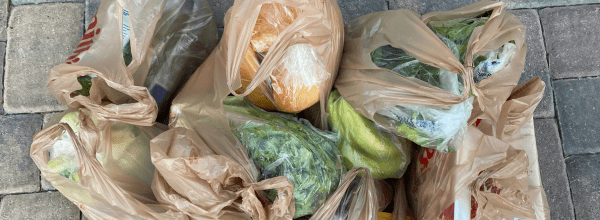
Action is needed NOW by City Council to harvest the support for moving the Bring Your Own Bag Bill to a vote. The bill is alive but needs action and it needs it NOW before the sweeping 2024 changes at City Hall are here. As mentioned in the previous Quarterly, the legislation, introduced by Council Member Mark Squilla, will add a 15-cent fee to single use plastic bags already covered by the City’s ban, and eliminate confusing language.
Twelve votes are needed to pass this important bill to improve Philly’s ban. Confirmed support for the bill is coming from Council Members Mark Squilla (the bill’s sponsor), Kenyatta Johnson, Mike Driscoll, Cindy Bass, Jim Harrity, and Isaiah Thomas. Considering support for the bill are Council members Katherine Gilmore Richardson, Jamie Gauthier, Sharon Vaughn and Kendra Brooks. Quetcy Lozada, Curtis Jones and Anthony Phillips have not yet committed either way. Darrell Clark as Council President does not take a position prior to voting. Brian O’Neil remains the only solidly no vote. Please reach out to these undecided council members to let them know they should vote yes! for BYO Bag Amendment Bill No. 220364.
📅 Events 📝
Click on the calendar icons below to add events to your Google calendar
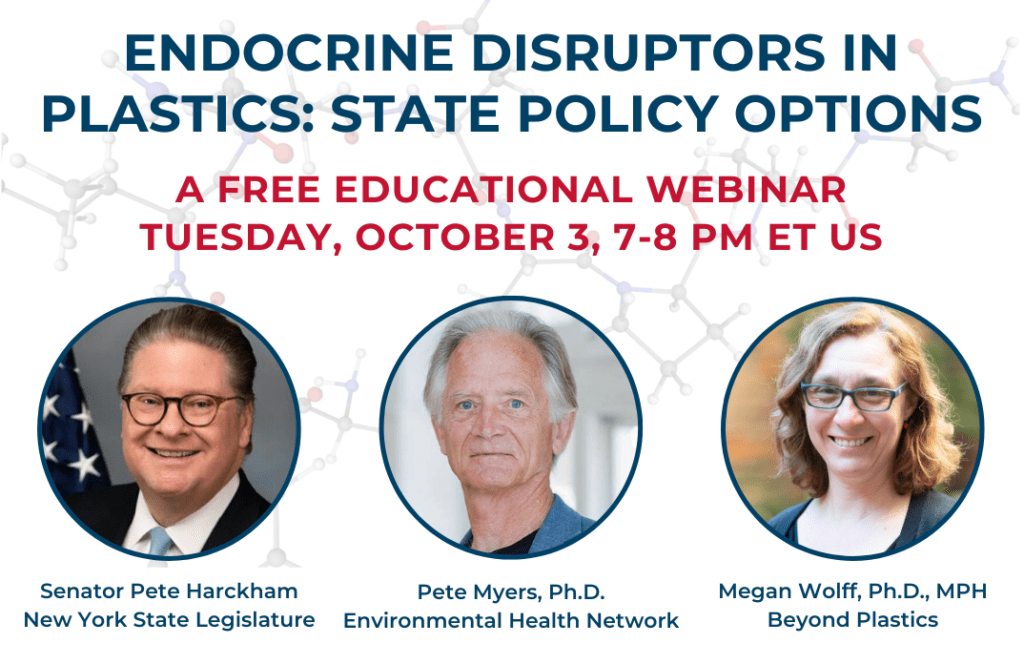
📅 Oct 3th, 7 p.m. • Endocrine Disruptors in Plastics: State Policy Options • Join us on Tuesday, October 3, 2023 at 7pm ET on Zoom for a conversation about the prevalence of endocrine disruptors in plastic with John Peterson ‘Pete’ Myers, Ph.D., CEO and Chief Scientist of Environmental Health Sciences, New York State Senator Pete Harckham, Chair of the New York Senate Environmental Conservation Committee, and Megan Wolff, Ph.D., MPH, Policy Director at Beyond Plastics.
🌐 Plastic-reduction Resources 🤝🏽
The problems we face with plastic proliferation are great, but an ever-growing group of organizations, laws, and policies are taking aim at the issue, and small businesses are looking to meet the need for products without plastics. The Philly Talks Trash Resource Page is an expanding collection of waste-reduction information, politics, articles, products, and organizations, all focused on reducing plastic use. If you have suggestions for the page please email us. We will highlight a few products and organizations in each newsletter and the link to the full and growing list will always be available at bit.ly/pttq.

Philadelphia Sustainable Packing Alliance
Join the Philadelphia Sustainable Packing Alliance if you want to learn about ways to make your product’s packaging more sustainable.
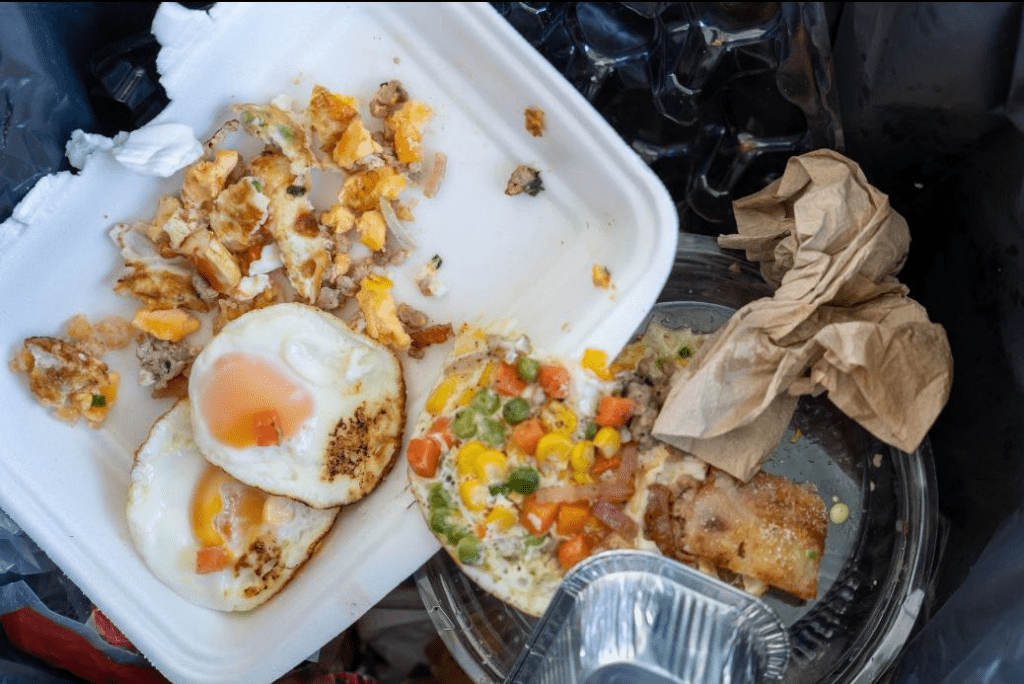
Garbage Can Teach Us a Lot About Food Waste by Whitney Pipkin – “A novel and slightly gross study aims to fill in gaps in our understanding of Americans’ food waste.”- Smithsonian Magazine
“Plastic Free Future is a California-based non-profit organization dedicated to the reduction and elimination of plastic pollution through promoting reusable alternatives and focusing on outreach to systemically excluded communities.” – Plastic Free Future.

Use Reusables: Success Stories
Read stories from companies which have successfully moved to reusables.
Philly Talks Trash Newsletter Archive
June 2023
March 2023


