

Philly Talks Trash Dec 2023
Dear Reader,
Welcome to the fourth edition of the Philly Talks Trash Quarterly – your go-to source for all things waste reduction in our vibrant city. If you’ve been with us from the beginning, we hope you have found our previous newsletters packed with insightful information on plastics and waste. If you’re just joining us, welcome to the conversation! Our mission is simple but impactful: to inspire all of you, our engaged readers, to take an active role in reducing waste locally. While our reach extends beyond Philly, our heart is Philly-centric, as we strive to create positive change right here in our community.
Before our quarterly newsletters, we hosted a series of virtual programs featuring a multitude of local and national experts, activists, and businesses, all working towards a common goal – a waste-free future. If you missed out, don’t worry, you can catch up on those enlightening sessions here.
As the holiday season is upon us, we’ve included a special section focusing on local holiday markets offering an array of locally made gifts. It’s our way of encouraging you to shop with purpose, to align your values with your purchases, and to foster more meaningful human connections.

Speaking of connections, did you know that New Yorkers, despite being surrounded by a sea of stores, are increasingly turning to online shopping, contributing to a surge in deliveries and packaging waste? Philly has so many cool makers, shopping locally remains a fantastic option – less packaging, more community.
Now, let’s tackle the holiday waste dilemma. Imagine a season where gifts come with a side of eco-consciousness. Consider services, tickets, gift cards, dining experiences, crafts, and second-hand treasures as your go-to gifts. We’re all about turning the tide on the endless stream of garbage this holiday season.

Here’s a challenge: rethink gift wrapping. Swap single-use paper for fabric – bandannas, dishtowels, scarves, or even an old pillowcase. Save and reuse pretty ribbons instead of contributing to the landfill with disposable ones. Get creative with paper – reuse, repurpose, and make every wrap count.
And when it comes to holiday gatherings, ditch the disposable serving ware. Opt for your own dishes and glassware or, for larger get-togethers, make it a BYO affair. People love the novelty of it, and it sparks conversations that resonate beyond the holiday season.
In our homes, we say ‘no plastic, please.’ Far from an inconvenience, it’s a small ask that resonates with friends and leaves a lasting impact. It’s these small, intentional choices that collectively make a difference.
We’re thrilled to share this holiday newsletter with you, featuring our esteemed guest author, Devi Ramkissoon, Executive Director of the Sustainable Business Network of Greater Philadelphia. SBN’s mission aligns seamlessly with ours – to build a just, green, and thriving local economy.
As we dive into this edition, let’s continue the conversation about making mindful choices, reducing waste, and embracing climate-savvy lifestyles. Together, let’s shape a future where our beautiful city, and our planet, thrive.
🖋️ From Our Guest Author:
Devi Ramkissoon

In November, my family and I celebrated Diwali, a New Year for millions of people around the world. During our celebration, we lit diyas, or candles, throughout our home. Not only is it a beautiful sight, but it is also a fitting symbol for the way that the Sustainable Business Network of Greater Philadelphia’s (SBN) community of businesses support one another. Each diya is used to light another. This act does not diminish its own light, but rather, spreads it to hundreds of others, which collectively creates a powerful force for good. Similarly, SBN’s members are known for using their own lights to create a spark in others, supporting each other even in the darkest of times to amplify our impact.
SBN is a community of local independent businesses that demonstrates the degree to which businesses can build profitable enterprises while serving community needs, sharing wealth, and protecting the environment. Serving 11 counties in the tri-state area, our mission is to build a just, green, and thriving local economy. Since our founding in 2001, SBN has been the region’s leading advocacy and membership organization for businesses committed to improving their environmental and social impact as well as their profitability. At SBN, we recognize the power in our community and our potential to create an impact that far outweighs our individual abilities.
SBN members receive exclusive benefits, such as access to education, advocacy, financing, and community building support for local businesses and values-aligned organizations. SBN offers a variety of programming to our members and the broader local business community throughout the year, including:
- Connecting members with each other, as well as decision makers, to exchange learnings and best practices, bond over commonalities, and discuss how policies and processes could better support the local impact economy to grow and thrive.
- Promoting our members within and outside of our network, as well as the strengths of a local economy and triple bottom line practices.
- Advocating on members’ behalf throughout the year to ensure that locally-owned, socially and environmentally responsible minded businesses are fully supported to start, grow, and thrive.
- Offering financing opportunities for impact-oriented businesses.
- Providing exclusive member benefits and discounts, such as access to a 401k program.
As we close out 2023, I hope you consider joining our community as a member. We also offer a pathway for individuals to receive select member benefits through our individual donation options. To celebrate all of our collective achievements over the past year, I hope you consider joining us at our upcoming Holiday Party. However you choose to engage, I look forward to connecting with you and spreading our light together.
“The Sustainable Business Network of Greater Philadelphia (SBN) is a community of local independent businesses that demonstrates the degree to which businesses can build profitable enterprises while serving community needs, sharing wealth, and protecting the environment.” – SBN
Eat Well This Holiday Season without the Waste
by Kim Paymaster
Bringing people together during the holidays often means days and weeks of delicious meals. Most of us have been conditioned to want to make sure there is always more than enough food, especially at this time of the year as we entertain family and friends. We make more dishes, and larger portions, than we normally would at other times of the year. However, this type of excess preparation has led to the holidays – between Thanksgiving and New Year’s – being the time when Americans throw away 25% more trash than at any other point in the year. And since food is the largest single category of waste that ends up in landfills, according to the EPA, holiday meals present a great opportunity to make a positive impact and reduce unnecessary waste.
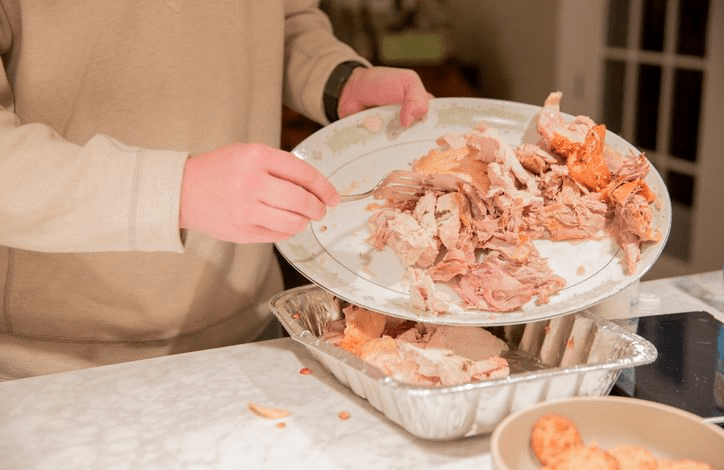
Why focus on food? There is food waste at every step of the supply chain, from farms to grocery stores to our own homes. About 30-40% of all the food that makes it into our homes gets wasted. The economic impact of that is staggering, with about $1,500 of food thrown away per household on average. On top of this, wasted food has a huge impact on resources and the climate. About 21% of water, 18% of cropland, and 19% of fertilizer in the US is used for food that gets thrown out. When that food goes to the landfill, it’s covered with layers of other trash. Since it doesn’t get any oxygen, the degrading process releases methane, a greenhouse gas that is about 80 times more potent than carbon dioxide.
What can I do to help? Enjoying the holidays doesn’t have to lead to tons of food waste. Planning ahead can allow for a full, delicious meal without the added waste. Check out these tips:
- Meal Planning: Putting together a menu (and sharing it with your guests if possible) allows you to see just how many appetizers, entrees and desserts you are going to have this year. We often start with grand ideas, but meal planning allows us to dial down the number of items or portion size depending on who is coming. As you are planning your menu, think of how you can incorporate some of the ingredients into multiple dishes. How can you use the rest of that pumpkin puree jar or molasses?
- Shopping Lists: Use your menu to create a detailed shopping list. Itemize what you will need and only purchase what is on the list. This will help your wallet as well as decrease unnecessary waste.
- Shop Your Pantry: Before you leave the house, first check your pantry. Whether you’re trying a new recipe or one that has been in the family for generations, there is a good chance you already have some of what you need on your shelves or in your cupboards.
- Prepare for Leftovers: Having leftover food can be an amazing thing to get through the rest of the week or month, but only if you’re ready for it. Have containers ready for guests to use or ask them to bring some along to take food home. Pro tip: keep the jars and containers that you bought your ingredients in – use these as to-go containers for your guests at the end of the meal. And if you’re lucky enough to get to keep some of the leftovers, using the freezer is a great option.
- Create a Compost Plan: Before you get to the leftovers, you’ll likely create lots of food scraps as you cook. Composting these pieces, as well as particular leftovers, can help decrease the impacts of food waste and help add nutrients to the soil. Encourage your guests to compost leftovers that aren’t going to get eaten. Here are places to help you compost:
- In Philadelphia and the surrounding suburbs, there are amazing companies like Bennett Compost, Circle Compost, Mother Compost, Back to Earth Compost Crew, and Kitchen Harvest.
- Mom’s Organic Markets in Pennsylvania will let you drop off compostable waste directly into their receptacles.
- If you’re on the go, check out the ShareWaste app – it connects you to local individuals across the country that will let you drop off food waste to enrich their own compost piles – a win-win for both of you.
- Share with Neighbors: connect with neighbors and offer your leftovers. The Buy Nothing app or a community email list can be a great way to share leftovers and make new friends!
- Donate: if you end up with ingredients that you didn’t use, or dishes that weren’t touched, check out local places that you can donate to so that others can enjoy a meal. Community fridges are another amazing place to donate food for those that might not have as abundant a holiday this year.
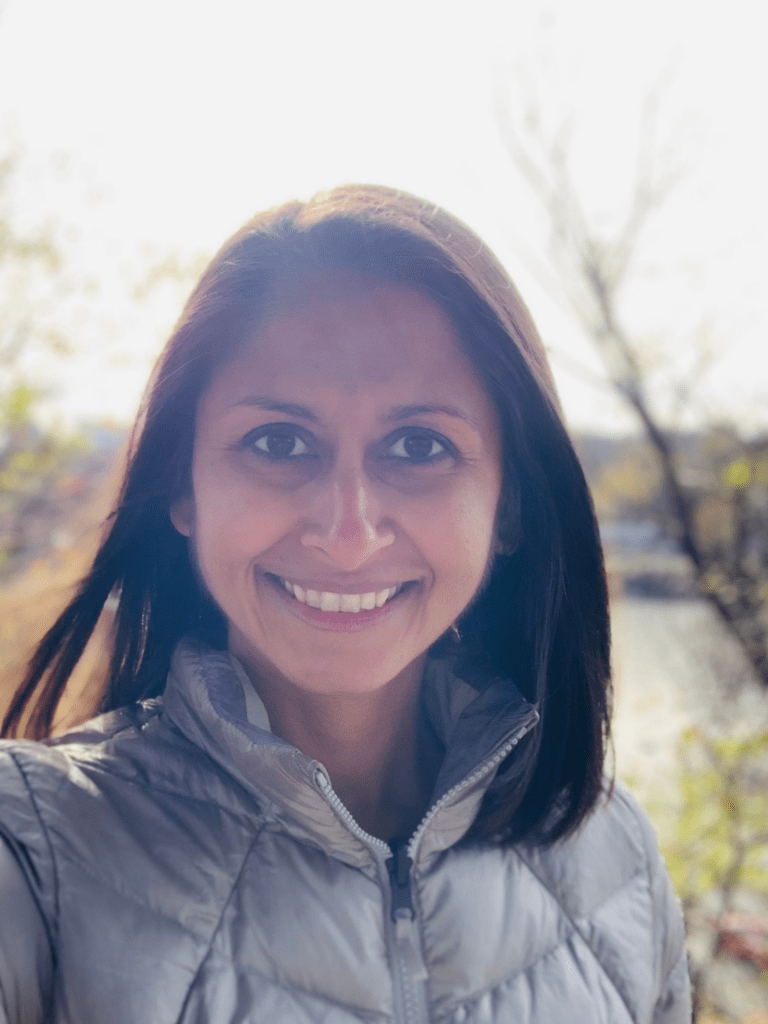
Kim Paymaster is the chair of the Plastics Reduction Task Force at Weaver’s Way Co-op which seeks to raise awareness about the effects of single-use plastic and advises the Co-op on ways to reduce plastic in its operations. In her full-time role, Kim is the Grant Program Director for The Conservation Alliance where she coordinates funding for the protection of public land and waterways with a lens towards expanding access and diversity. She is also a board member of the Scattergood Foundation which strives to create a more inclusive society where behavioral health is central. Kim currently lives in Philadelphia with her husband and daughter.
🗳️ Politics and Legislation
BYOBag Update
The Bring Your Own Bag Bill (No. 220364) is absolutely still in need of action and support as the Kenney Administration fades into history. Council Member Mark Squilla introduced this bill which will add a minimum $.15 cent fee to all bags given to a customer at checkout. The bill also clarifies the current confusing language concerning plastic bags. In many studies, charging a fee for single-use bags has proven to be effective in reducing single-use bag pollution. The fee will also reduce the cost of groceries, as businesses pass on the higher cost of paper and reusable bags to customers (even to those who bring their own bags) if they are not required to charge a fee.
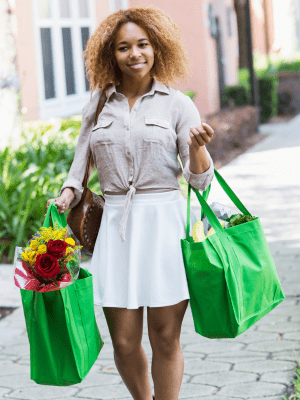
There is a hearing scheduled for December 6th at 10am and will be held virtually on City Council TV. Please contact your council member prior to the hearing to express your support as well as tuning into the hearing. If you want to testify, please contact Maurice Sampson right away (msampson[at]cleanwater.org).
Unfortunately this hearing is taking place a week too late for a Council vote with an opportunity to override and, if Kenney does not sign the bill before the end of December, it will be a “pocket veto.” This development would mean that advocates would have to start the arduous process again of getting this bill enacted after several years of effort. We’ll have to wait to see how the incoming Parker administration and the new City Council will deal with this and other related waste reduction and environmental matters.
LNG Task Force Issues Report
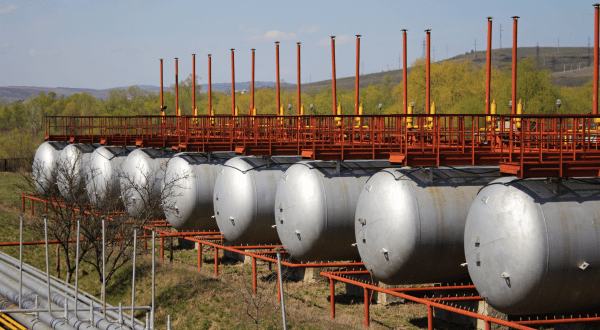
In the last issue we discussed the Philadelphia LNG (liquified natural gas) Export Task Force established by the state legislature in 2022 with a directive to examine and make recommendations ‘involved with making the Port of Philadelphia an LNG export terminal.’ The Task Force met three times in 2023, with the final hearing in August in Chester, PA. This hearing was heavily attended by groups and individuals opposed to an LNG buildout in Southeastern PA.
The Task Force issued its final report in November. Given that the Task Force was almost entirely composed of fossil fuel industry proponents it is not surprising the report tries to make the case that an LNG plant and export facility in SE PA is a good idea. Some of the reasons presented: there is current ship traffic on the Delaware River and Bay waterways with traffic control and safety protocols already in place; and a lot of construction and ancillary jobs will be required to build the facility with permanent jobs once it’s in operation. There are also some magical thinking arguments – most notably that LNG is a great way to reduce global greenhouse gas emissions and address climate change.
There is a minority report appendix from PA State Legislator and Task Force member Joe Hohenstein, who lays out the ‘makes no sense’ case. Some of the reasons detailed are: there’s no place to put it – neither the Port of Philadelphia or Chester has an appropriate location; the LNG that would be produced by the many facilities proposed in the U.S. (a number already approved) as well as those being built by other countries, exceeds forecasts for future LNG market demand; a major dredging project would be required to deepen the Delaware; the Delaware Valley already exceeds federal air quality standards for ozone and particulates; and Chester is already an environmentally overburdened community.
Hohenstein ends by recommending ‘against any further resources being committed to investigating an LNG facility in Philadelphia or elsewhere in Southeastern Pennsylvania.’ We couldn’t agree more.
📅 Events 📝
Click on the calendar icons below to add events to your Google calendar
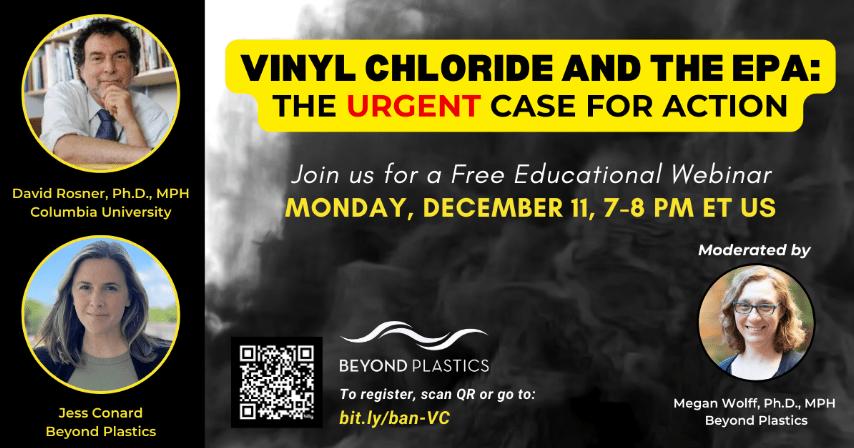
📅 Dec 11th, 7 – 8 p.m. • Vinyl Chloride and the EPA: The Urgent Case for Action
On December 11, Professor David Rosner will summarize the risks of vinyl chloride and the experiences shared with his co-author, Professor Gerald Markowitz, in researching and writing, Deceit and Denial (2002), a highly-regarded book about the industry’s use of cover-ups and disinformation campaigns to continue selling a product it knew was harmful. Fifty years after it first took action on vinyl chloride, it is time for the EPA to step in with a wider ban.
📅 Dec 12th, 1 – 2 p.m. • Neuroendocrine disruptors and brain development: Lessons from PCBs • Dr. Zoeller will present findings from a recent review of the evidence on how PCBs cause neuroendocrine effects. PCB congeners can be very roughly divided into “dioxin-like” and “non-dioxin-like” PCBs. But among the non-dioxin-like PCBs, health effects can vary widely. For example, at very low concentrations, PCB 95 (2,2’,3,5’,6-Pentachlorobiphenyl) can activate the ryanodine receptor. This receptor is critical in brain development and brain function.
🌐 Plastic-reduction Resources 🤝🏽
The problems we face with plastic proliferation are great, but an ever-growing group of organizations, laws, and policies are taking aim at the issue, and small businesses are looking to meet the need for products without plastics. The Philly Talks Trash Resource Page is an expanding collection of waste-reduction information, politics, articles, products, and organizations, all focused on reducing plastic use. If you have suggestions for the page please email us. We will highlight a few products and organizations in each newsletter and the link to the full and growing list will always be available at bit.ly/pttq.

Philadelphia Sustainable Packing Alliance
Join the Philadelphia Sustainable Packing Alliance if you want to learn about ways to make your product’s packaging more sustainable.

19 holiday markets in the Philly area, by The Philadelphia Inquirer – Includes Peddler’s Village, Kennett Square Holiday Village Market, Winter Village, and many more.

The Ultimate Guide to Philly’s Pop-Up Holiday Markets
by Philly Mag
Understanding Packaging (UP) Scorecard
“The UP Scorecard provides a comprehensive way to assess the impacts of foodware and food packaging on human and environmental health.” – UP Scorecard
Philly Talks Trash Newsletter Archive
March 2023
June 2023
Oct 2023


